
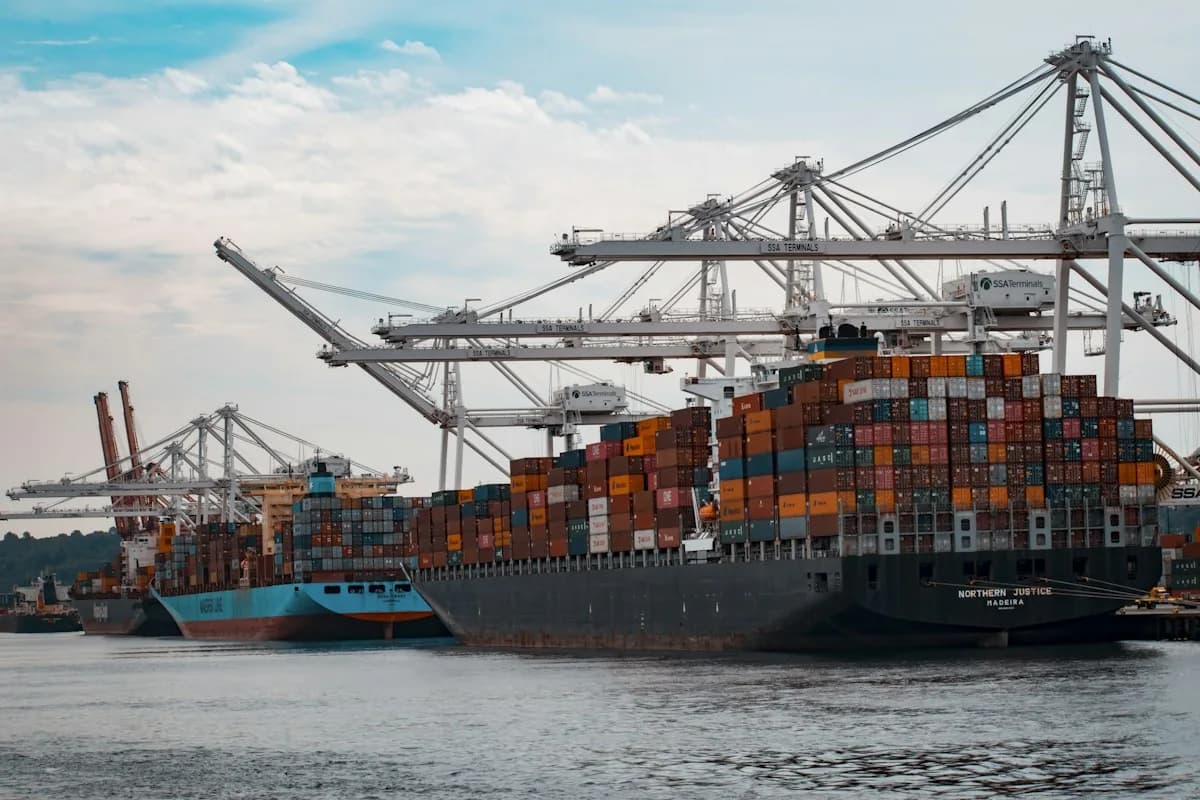
Master list registration, HS code consistency and used-machinery appraisal certificates are the most frequent flashpoints during port clearance.
1. Registering the duty-free master list before filing customs declarations
For FDI projects qualifying for investment incentives, machinery and equipment imported to form fixed assets may be exempt from import duties. However, this exemption is not automatically applied at the port unless the enterprise registers its Duty-Free Import Master List with the Customs Authority before filing the first import declaration.
Every item on the master list must align with the manufacturing objectives, capacity and equipment capital budget stated on the IRC.

2. Five common pitfalls when importing machinery and production lines
Based on practical clearance experience at Hai Phong port and industrial park customs branches, these five errors most frequently delay equipment delivery to the factory floor:
- Error 1 — Inconsistent item descriptions across the Duty-Free Master List, Commercial Invoice and Packing List: Even minor model number or capacity discrepancies require amending the master list before quota deduction.
- Error 2 — Importing a modular production line across multiple shipments without registering component breakdown rules: Multi-container split shipments require prior registration for progressive customs deduction.
- Error 3 — Importing used machinery without compliant inspection certificates: Used equipment must satisfy strict statutory age limits and technical efficiency standards verified by an accredited inspection body.
- Error 4 — Mixing capital machinery with consumable spare parts: Standalone consumables and excess maintenance spares generally do not qualify for fixed-asset import duty exemption.
- Error 5 — Vessels arriving at port before the enterprise has activated its VNACCS customs digital signature or prepared a compliant storage site.
3. Preparing customs dossiers in parallel with equipment procurement
The optimal time to engage customs specialists is as soon as the parent company drafts the equipment list — at least 4 to 6 weeks before shipping documents are finalized. This allows time to standardize bilingual descriptions, verify HS codes, separate duty-free fixed assets from taxable spares and schedule pre-shipment inspection for any used machinery.
Need a review tailored to your specific dossier? Speak with An Tri.
Speak with a specialistDirectly related service:
Construction, Customs & Infrastructure
Contractor management, design-build general contracting, duty-free machinery customs clearance and utility connections.
An Tri Customs & Supply Chain Desk
Investment promotion, legal compliance and industrial operations advisory team in northern Vietnam.